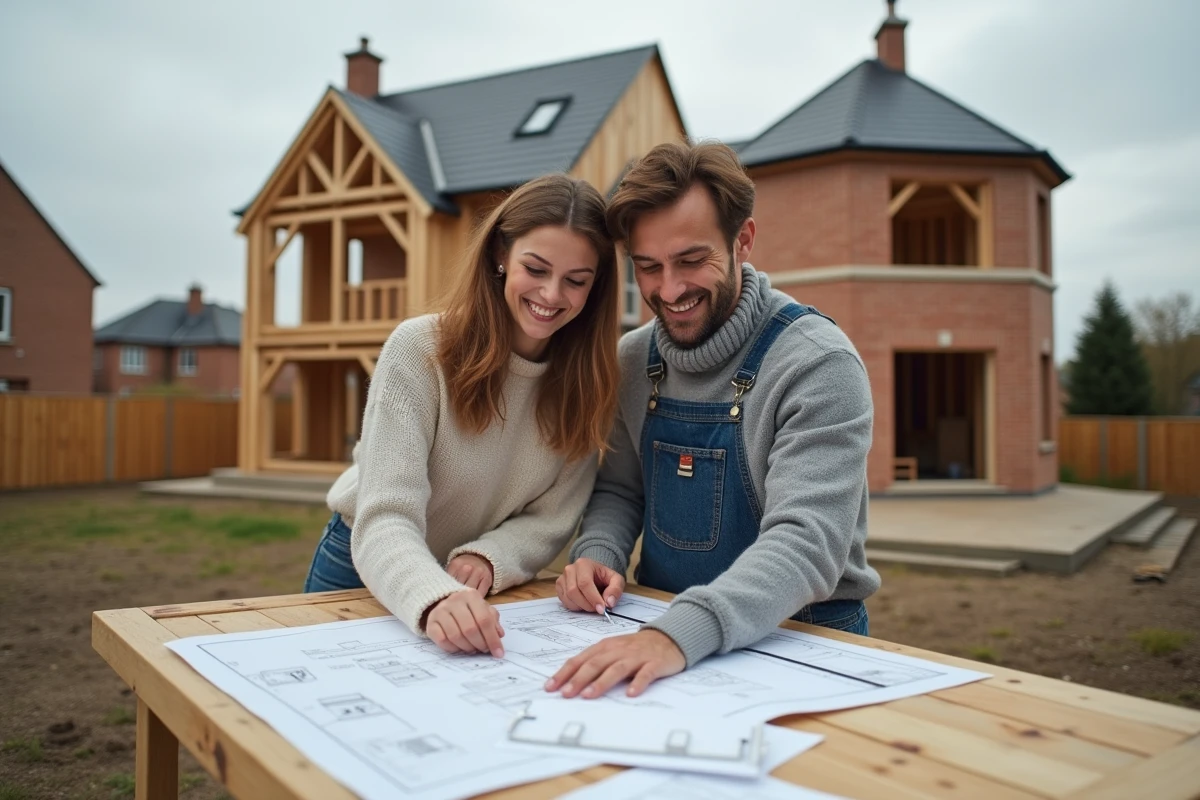
Between the submission of a building permit and the delivery of a new house, actual timelines often exceed initial estimates by several months. Budget overruns remain common, even after careful planning and the signing of a contract governed by law. A construction contract may include unusual clauses that impose unexpected responsibilities on the project owner, sometimes starting from the choice of land.
Some technical checks, although not mandatory, prove crucial in avoiding later disputes. Coordination between the architect, craftsmen, insurers, and administration is essential at every stage, but few anticipate all the necessary interactions.
Understanding the key stages of an individual house construction project
An individual house construction project is built stone by stone, through a succession of steps that leave nothing to chance. First and foremost, it is essential to precisely identify your needs: what area, how many rooms, what requirements for space organization, not to mention your energy ambitions. It is better to establish a clear framework from the outset, as even the smallest choice impacts the budget, the location of the building plot, and even the possible construction options.
The search for land is not to be taken lightly. You will need to dissect the local urban planning plan (PLU), check the viability, the nature of the soil, and the proximity of networks. An attractive plot on paper may hide regulatory or technical constraints. Once the land is acquired, it’s time for design: the plans must reflect your desires but above all comply with the PLU, orientation, and energy performance objectives.
Next comes the building permit stage. A poorly prepared, incomplete, or vague file risks blocking or even rejection. The key: rigor and transparency. Choosing a builder requires vigilance and discernment: scrutinize their references, guarantees, the solidity of their finances, and those of their subcontractors.
For each phase, monitoring must be continuous: site preparation, structural work, finishing work. The construction damage insurance is not optional; it is the safety net for your investment. Adapt the cost of the house works to the reality of the site, and stay attentive to every variation. To go further at each stage, concept-habitat.fr provides analyses, real-life experiences, and practical advice to move forward with peace of mind.
What choices and steps to anticipate to avoid common mistakes?
To successfully complete your individual house construction project, it is better to anticipate ordinary pitfalls. The design of the house is not limited to a simple drawing: every choice matters, from the layout to the selection of materials. Choose materials suited to the climate, soil type, and your way of living: whether it’s a traditional house or an eco-friendly house, each option requires particular attention and offers specific advantages.
Do not neglect the administrative part. The prior declaration of works or the building permit leaves no room for approximation. Prepare a solid file that complies with the local urban planning plan. The slightest overlooked detail can cause delays or jeopardize the project. Negotiate the timeline with each participant to maintain control over deadlines and avoid forced stoppages.
Three points of vigilance
Here are three aspects to closely monitor to keep control of your project:
- Budget: plan a realistic estimate of the cost of the works, including a margin for unforeseen events. Do not overlook any item, from structural work to finishing touches.
- Support: if the configuration appears complex, seek assistance from an architect or project manager. Their expertise can refine feasibility and avoid many pitfalls.
- Financing: inquire about the zero-interest loan or other aids, depending on your situation and the type of house desired.
Each house has its own requirements: area, orientation, energy efficiency. The decisions made from the start weigh heavily on the longevity of your construction and the control of the cost of the works. Staying attentive to these points lays the foundation for a project that stands the test of time.

When and how to surround yourself with the right professionals to succeed in your project
The success of your individual house construction project largely depends on the partners you choose. Do not settle for a simple price comparison: look for experience, seriousness, and attentiveness. From the design stage, the presence of an architect or project manager can make all the difference, aligning your desires with technical constraints and keeping the budget under control.
Engaging with a builder represents a real contract: check their references, study their financial health, and consult previously completed projects. Request a detailed timeline, phase by phase, to anticipate each step. Hiring an independent project owner enhances transparency and facilitates communication between craftsmen, suppliers, and yourself.
To ensure a smooth process without unpleasant surprises, keep the following imperatives in mind:
- Construction damage insurance: have it established before the work begins; it covers defects and poor workmanship from the moment the keys are handed over.
- Site coordination: organize regular meetings to monitor progress, clarify any doubts, and react quickly in case of problems.
- Success tips: keep a written record of each step, from the choice of land to the final reception, to ensure nothing is overlooked.
Surrounding yourself with the right experts is not just a matter of caution: it is the best way to carry your project through to completion, without missteps, from the first day of construction to the handover of keys. One day, it will be you who opens the door and discovers a house that truly reflects your image.