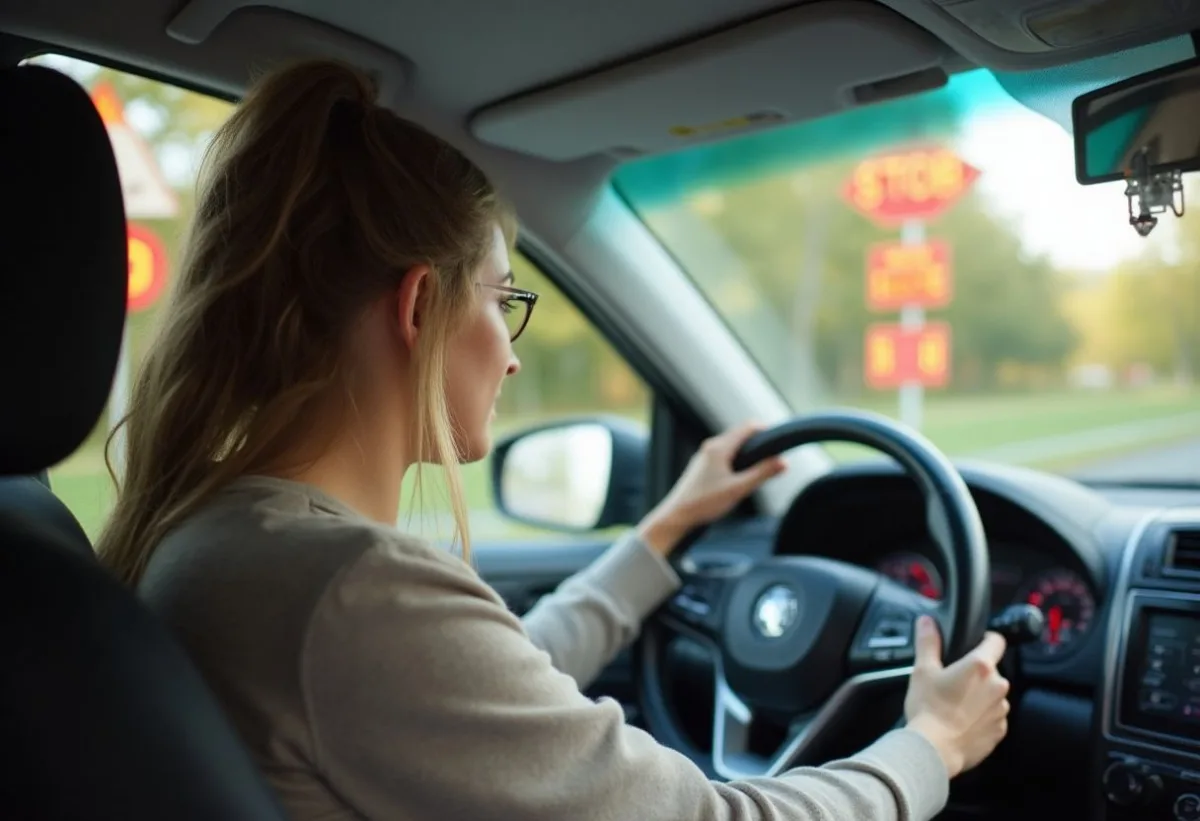
Obtaining a driver’s license is often seen as a rite of passage, a step towards independence and freedom. But with a license comes responsibilities. Road safety is at the heart of the authorities’ concerns, and to ensure that every driver is fit to take the wheel, rigorous measures are put in place. Among these, the psychotechnical test for the license stands out as an essential tool for assessing the psychomotor and behavioral skills of candidates. Why are these tests so important and what do they reveal about each driver’s abilities?
What is a psychotechnical test for a driver’s license?
Psychotechnical tests are designed to evaluate several aspects of an individual’s capabilities. These assessments are particularly important for drivers who have had legal issues or have lost their license.
- Logical reasoning: This part of the test helps determine if the candidate can think logically and solve problems effectively, a crucial skill for safe driving.
- Reflexes and coordination: The ability to react quickly and coordinate movements is fundamental to avoiding accidents on the road.
- Concentration ability: Staying focused over long distances or in complex situations is crucial for the safety of all road users.
Why take a psychotechnical test for the license?
The psychotechnical test for the license is not just a formality, but a necessary step to ensure that every driver on the road possesses the necessary skills to drive safely. It is often required in specific circumstances.
For drivers who have lost their license due to risky behavior, a psychotechnical test becomes essential to assess their fitness to get back behind the wheel. Additionally, certain professions that require frequent driving may mandate these tests to ensure that professional drivers maintain a high level of psychomotor ability.
In some cases, authorities may also require a psychotechnical test for individuals with a specific medical condition that could affect their driving ability.
The process of a psychotechnical test
Before embarking on the psychotechnical test, it is essential to understand what to expect. The process of the test generally follows a well-defined structure to ensure a comprehensive evaluation.
- Welcome and explanation: Candidates are first welcomed and receive a complete explanation of the different stages of the test.
- Individual assessment: Each candidate then undergoes a series of tests in front of a psychologist, designed to evaluate the various skills required for driving.
- Final interview: After the tests, an interview is conducted to discuss the results and provide recommendations.
How to prepare for a psychotechnical test?
Properly preparing for a psychotechnical test is essential to maximize your chances of success. While preparation does not guarantee a positive outcome, it can help reduce stress and familiarize you with the types of exercises that will be presented.
Start by researching the types of tests you will be subjected to. It is possible to find examples online that will help you understand the format and expectations of the test. Regularly practice with exercises in logic, quick thinking, and coordination.
Adopt a healthy routine before the day of the test. Good sleep and a balanced diet can significantly impact your performance. On the day of the test, make sure to arrive early to avoid any unnecessary stress.