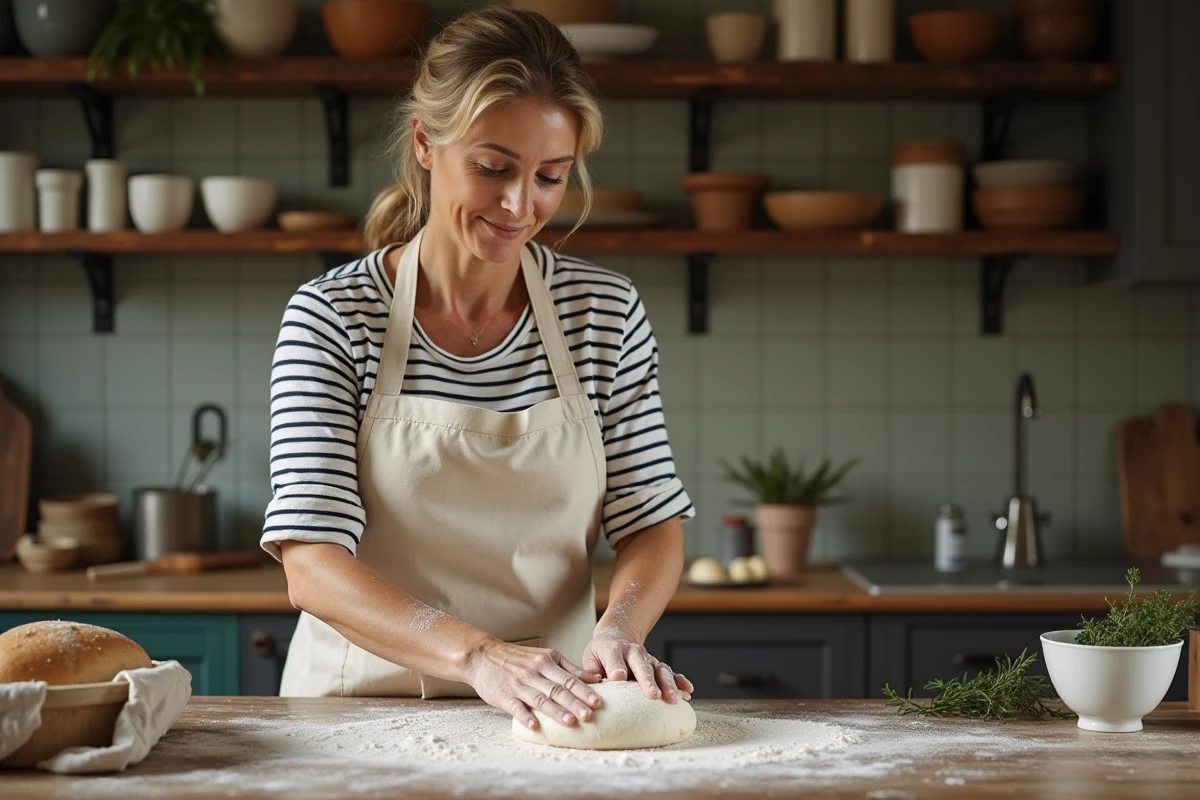
Preparing a homemade meal with family raises a concrete question: does the time displayed on a recipe card correspond to the actual time spent in the kitchen? Easy recipes announced in just a few minutes often overlook the preparation of ingredients, passive cooking, and cleaning up. This discrepancy weighs on family organization during the week and deserves to be taken into account before choosing homemade recipes.
Actual preparation time for an easy family recipe
Most recipe cards display a preparation time that only covers the active steps: peeling, cutting, mixing. Oven cooking or simmering are not always included in this count. Taking out ingredients, weighing, preheating the oven, washing utensils: these steps add significant time.
For a family cooking after work, a recipe advertised as quick can easily take twice the expected time. This is not a flaw in the recipe, but a logistical reality that culinary websites do not clarify.
Two levers can help reduce this gap. The first: group the cutting of vegetables for Monday and Tuesday into a single session on Sunday evening. The second: favor passive cooking dishes (casserole, soup, oven-baked dishes) that free up time while the oven works. At À Nos Petits Fourneaux, this type of pragmatic approach guides the choice of recipes offered.
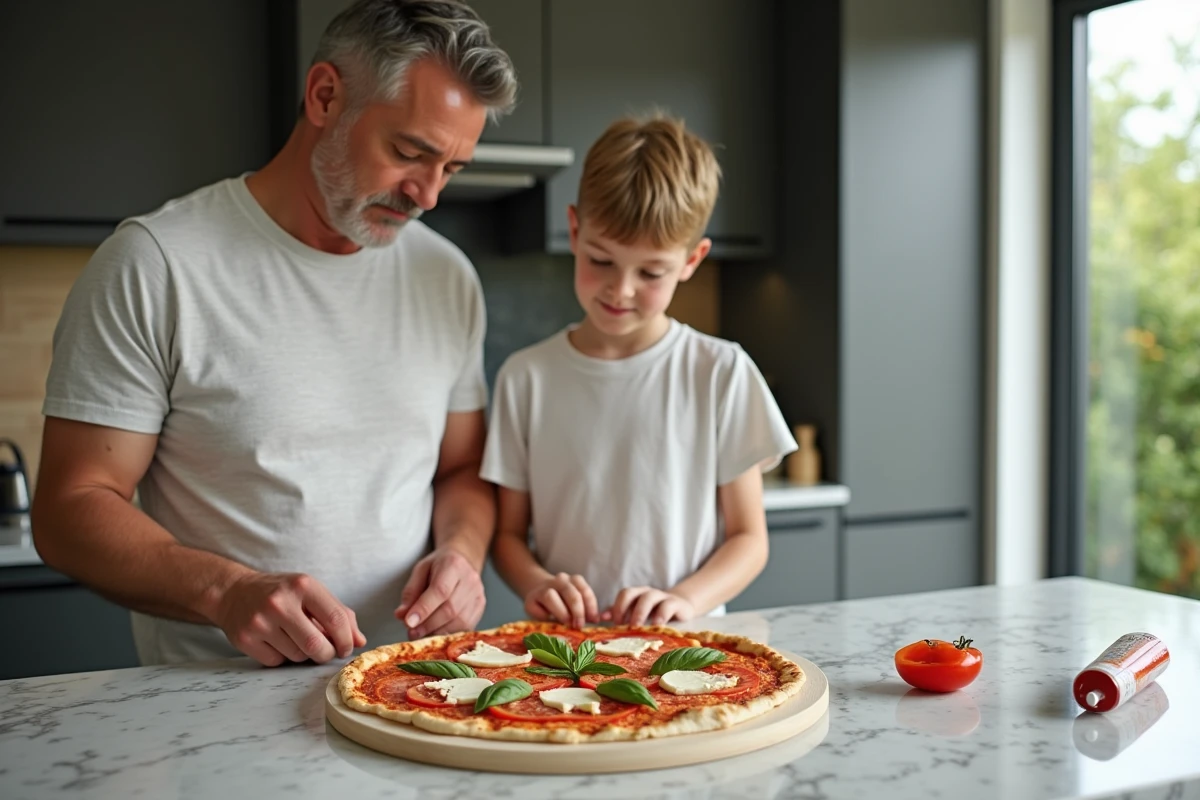
Vegetable and pasta casserole: two family dishes with passive cooking
The casserole remains a classic for family meals for a simple reason: oven cooking requires no supervision. While the dish cooks, it’s possible to prepare a salad, set the table, or take care of the children.
Seasonal vegetable casserole
A vegetable casserole relies on three elements: sliced vegetables (zucchini, potatoes, tomatoes depending on the season), a cream-based sauce, and grated cheese for topping. The active preparation is limited to peeling and assembling in the dish.
- Choosing vegetables that cook at the same speed avoids uneven textures – potatoes require precooking or thin slices
- The cream can be replaced with a mixture of beaten eggs and milk for a lighter batter that holds better when cut
- Adding bacon or diced meat transforms a side dish into a complete meal without changing the cooking time
Baked pasta casserole
Baked pasta combines starch and sauce in a single dish. Simply cook the pasta halfway, mix it with tomato sauce or béchamel, and then bake. The result pleases children and the recipe tolerates many variations: adding spinach, salmon, or ground beef.
The difference from classic pasta lies in the texture. Baking creates a golden crust on the surface and a softer consistency inside, changing the tasting experience without complicating preparation.
Soup and stew: cook once for two meals
Some dishes gain flavor when reheated the next day. Soups and stews fall into this category. Preparing a large quantity on Sunday or Wednesday evening allows for two dinners with a single cooking session.
A seasonal vegetable soup (leeks, carrots, potatoes) requires few ingredients and keeps for several days in the refrigerator. Blending is optional: a soup with visible vegetable pieces may be better suited for children learning to identify what they eat.
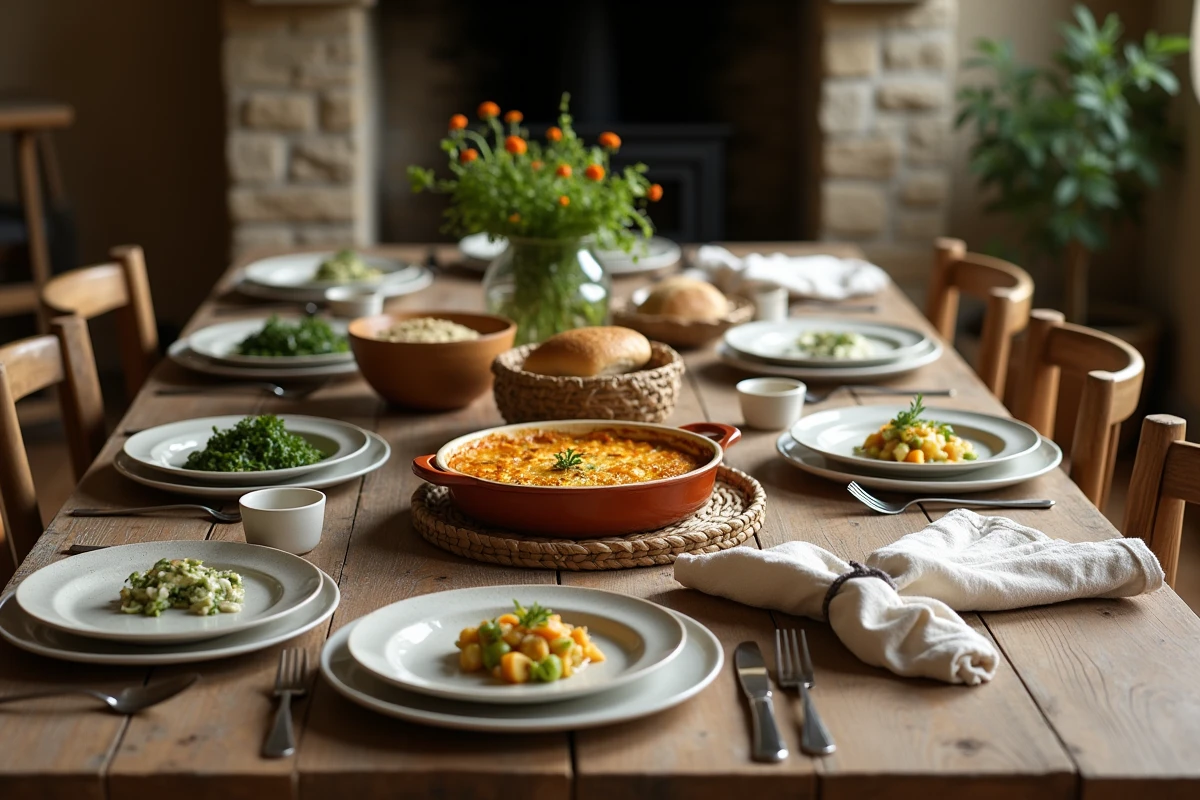
For a stew, a beef stew or chicken with vegetables cooks slowly while the family goes about their activities. Long cooking tenderizes the meat without intervention, and the sauce naturally concentrates. Leftovers can be reheated in just a few minutes the following day.
Adapting family recipes to common dietary constraints
Families facing food intolerances or allergies often lack solid guidelines. Recipe sites sometimes offer a gluten-free or lactose-free version, but rarely a systematic adaptation logic applicable to any dish.
Some substitutions cover the majority of cases encountered in a family:
- For an egg-free recipe, applesauce or a mashed banana replaces one egg in related preparations (cakes, pancake batter), but this substitution does not work for a casserole where the egg serves as a structural binder
- For a lactose-free recipe, plant-based cream (oat, soy) replaces fresh cream in sauces and casseroles with a similar texture
- For a gluten-free recipe, rice or corn pasta can withstand oven cooking, provided the time is slightly reduced to avoid them falling apart
Each substitution alters the behavior of the dish during cooking. There is no perfectly neutral replacement, and the result varies from one brand to another. Testing in small quantities before serving to the whole family remains the most reliable method.
Easy homemade recipes for the family are not just a list of ideas. The choice of a dish depends on the actual time available, the possibility of cooking in advance, and each person’s dietary constraints. A casserole prepared in one session and reheated the next day is more beneficial than a quick recipe repeated every evening.