
Brittany attracts streams of visitors every year concentrated in the same weeks and at the same sites. Between the north coast and Morbihan, between high season and off-season, the conditions of stay vary considerably. What parameters truly distinguish the different ways to spend a vacation in Brittany, and how can they be compared to build a stay that meets one’s expectations?
Activities in Brittany: land versus coast, what the data shows
Competitors list cities and monuments. They overlook a structuring arbitration for any Breton stay: the sharing of time between the coast and the inland. This choice conditions the density of accessible activities, the level of attendance, and the accommodation budget.
| Criterion | Coastal stay (north coast, Finistère, southern Morbihan) | Inland stay (Argoat, Nantes to Brest canal, forests) |
|---|---|---|
| Water activities | Sailing, sea kayaking, diving, surfing, cruises | River canoeing, freshwater fishing, river navigation |
| Summer attendance | High to very high, regulated sites on certain islands | Moderate, trails and villages not overcrowded |
| Accessible heritage | Fortified towns, lighthouses, historic ports | Megaliths, chapels, medieval towns, legendary forests |
| Family activities | Beach, coastal amusement parks, aquariums | Hiking, craft workshops, wildlife parks |
| Pressure on accommodation | Booking several months in advance in July-August | Often wider availability, even in high season |
This table highlights a point that classic guides overlook: the interior of Brittany offers a density of activities comparable to the coast, with significantly lower tourist pressure. Families seeking tranquility without giving up leisure find an underestimated compromise here.
To explore the full range of possibilities according to the territories, the activities offered by Jeune Bretagne cover both the coast and the hinterland.

Overtourism in Brittany: the sites where attendance changes the experience
The management of overtourism has become a concrete issue in several areas of the Breton coast. Regulation measures for attendance, parking limitations, and protection of sensitive natural areas are now in place at the most visited sites, particularly certain islands and fragile coastal points.
This reality changes the usual question. It is no longer just about knowing “what to see in Brittany,” but how to visit without degrading the sites and without suffering from the crowd.
Practical consequences for the traveler
- On the most frequented islands (Bréhat, Belle-Île-en-Mer, Glénan archipelago), crossings in high season are booked early, and the number of daily visitors may be capped. Planning a visit on weekdays or outside July-August radically changes the experience.
- The coastal paths of Finistère and the Crozon peninsula are experiencing accelerated erosion due to summer overuse. Sections are regularly closed for regeneration, which requires checking the routes before departure.
- Cities like Saint-Malo or Concarneau remain accessible year-round, but their historic center is experienced under very different conditions between August and October: long lines, saturated parking, restaurants fully booked without reservation.
In contrast, inland Brittany (Brocéliande forest, Nantes to Brest canal, towns like Locronan or Josselin) absorbs flows better, even in the height of summer. The choice of period weighs as much as the choice of destination in the quality of the stay.
Family vacations in Brittany: experiential activities versus classic circuits
Family stays represent a major part of Breton tourism. The recent trend moves away from the “beach in the morning, city visit in the afternoon” circuit to incorporate so-called experiential activities, focused on local know-how and immersion.
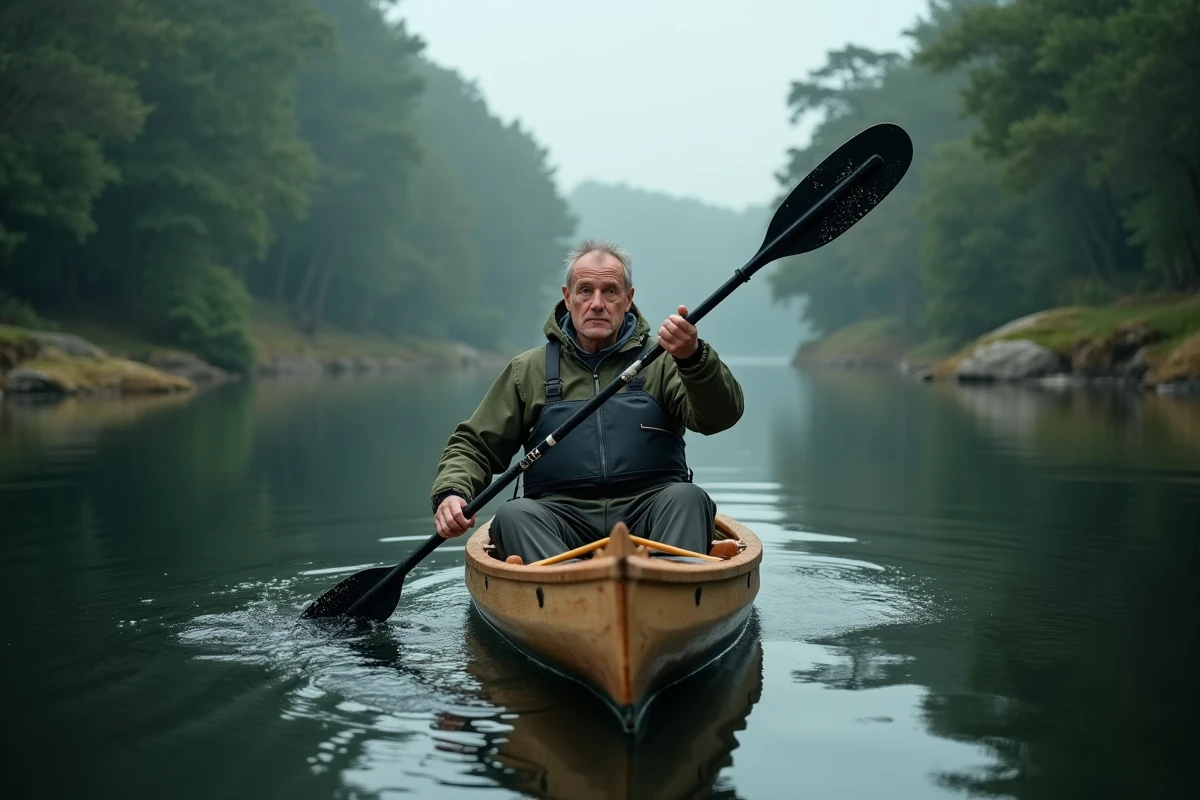
What distinguishes the experiential approach
Craft workshops (pottery, weaving, woodworking) are multiplying in the rural communities of Morbihan and Côtes-d’Armor. They offer families a structured activity time, sheltered from weather uncertainties, with a cultural grounding that a monument visit does not always provide.
Educational farms and guided nature outings (birdwatching in the Gulf of Morbihan, exploring the foreshore in Finistère) constitute another focus. These short half-day formats easily fit into a family program without requiring long travel.
The classic circuit (Saint-Malo, Dinan, Pointe du Raz, Carnac) remains relevant for a first stay. It allows covering major sites over a week. However, for a second or third trip to Brittany, thematic itineraries (Neolithic in Morbihan, lighthouses of Finistère, river heritage) provide a depth that a general overview cannot offer.
Off-season stay in Brittany: an underestimated comfort gap
Brittany’s institutional communication increasingly highlights spring and autumn stays. This is not just a marketing argument. The off-season concentrates several measurable advantages compared to the July-August period.
Access to quality accommodations (coastal gîtes, guest rooms in character towns) is possible without the constraint of booking several months in advance. Prices drop significantly on most seasonal rentals between September and November.
The Breton weather, often cited as a hindrance, actually presents stable and sunny days in spring and early autumn. Outdoor activities (hiking on the GR34, cycling on greenways, river kayaking) remain feasible over a wide window outside summer.
The decisive parameter remains attendance. Protected natural sites, coastal paths, and small ports regain a calm that transforms the visit. An off-season stay in Brittany provides access to the same places under radically different conditions.
The comparison between the formulas (coastal or inland, high season or off-season, classic circuit or thematic immersion) shows that no unique configuration stands out. The most successful Breton stay is the one that arbitrates these parameters according to the traveler’s profile, not the one that stacks the largest number of visited sites.